Modernizing history (without losing its charm)
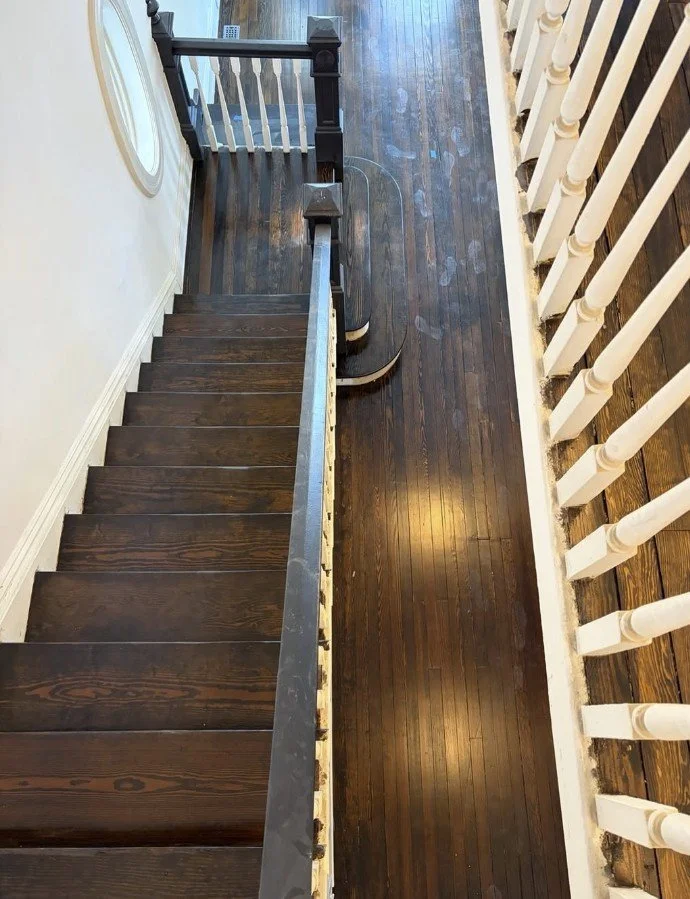
There is just something about stepping into a house built in the early 1900’s, and luckily in Richmond you can throw a stone and find yourself in one. The heavy oak doors, the light bouncing off original glass, the quiet history in the woodwork - you can’t buy that kind of character off the shelf. Our historic homes were built with patience, and honestly they deserve that same energy back when we update them.
Renovating a century-old house isn't about gutting everything and starting over. It’s about stewardship. It’s figuring out how to bring in the comfort we need today without erasing the soul, personality and character of the space.
If you’re tackling a historic rehab of your own, here’s how to blend 1910 vibes with your own story.
1. Work With the Layout, Not Against It
Before you break out the sledgehammer, spend some time in the space. Watch how the sun moves through the rooms. Turn-of-the-century homes weren't built for wide-open floor plans, and that’s actually a huge advantage: having distinct, divided rooms means you can be so much more intentional with each space. You can give every room its own unique mood, color story, and personal touch without having to worry about fitting a single cohesive theme across an entire sprawling open layout.
Instead of knocking down walls to force open-concept living, lean into those defined spaces. Try using thoughtful furniture placement to build natural flow while letting each room shine as its own sanctuary.
2. Infuse Personality Through Paint & Paper
No home with over a hundred years of history should feel like a sterile museum or a copy-paste blank canvas. Your home has personality in its bones, and it’s waiting for you to layer in your own.
This is where paint and wallpaper become your best friends:
Rich, Mood-Setting Paint: High-gloss finishes on historical trim, soft moody tones in a den, or warm creamy neutrals in the main living areas breathe brand-new life into old plaster. Paint allows you to highlight original architecture without altering it permanently. On the flip side, professionally sanding down to the original detailing and applying a fresh stain pays honors the original carpentry.
Statement Wallcoverings: Wallpaper was a staple of early 20th-century design, and bringing it back is one of the most rewarding ways to add a modern personal touch. Whether it’s a bold botanical in a powder room, a delicate classic pattern in the dining room, or a textured grass cloth in a cozy nook, paper adds tactile luxury and instant storytelling to a room. (Fun Fact: The home I just renovated on W Grace had at least THREE others striped paper applications in the room I had already planned to add striped paper! Sometimes, the space speaks to you before you’re even aware.)
3. Restore Before You Replace
If you can save it, save it. Original wood floors have a warm patina and tight grain pattern that new hardwoods just can't match. Stripping ten coats of paint off solid brass door plates or refinishing an old cast-iron radiator takes time, but that history is what makes the house feel authentic.
When replacement is completely unavoidable, this is where your interior designer's Rolodex becomes invaluable. A great designer will have a curated list of trusted local salvage yards, specialized antique purveyors, and local artisans who can recreate historical millwork, glass, or hardware by hand. Mixing authentic period salvage with commissioned pieces from contemporary craftspeople keeps the story going while honoring the original standard of work.
4. Layer in Modern Comfort Thoughtfully
Preserving history doesn't mean living in the past. You can bring in modern comfort by pairing original architectural details with plush upholstery, contemporary lighting, and tailored window treatments, it’s actually encouraged. The goal is a curated, lived-in look where timeless craftsmanship and clean, modern lines sit side-by-side without competing.
At the end of the day, renovating a historic home is all about creating a space that feels lived-in, loved, and unmistakably yours; built to stand for another hundred years.
What’s your favorite original detail in your home, and how have you added your own personal spin to it?